
Spotting a threat that looks familiar
Apparence : Un humanoïde gris capable de porter la peau d’un joueur tué et de se faire passer pour un Wanderer.
Comportement : A Skin-Stealer does not win because it is hard to see. It wins because a team decides that a familiar outline must be safe and walks toward it.
Niveau de menace : 5/5 — In co-op, the ID check is not role-play. It turns a vague suspicion into a fast decision and keeps the team from donating two more players to the same corridor.
Observé dans : 4 itinéraires documentés.
How Skin-Stealer changes each route

Level 1: make every reunion intentional
Level 1 creates the right conditions for a false reunion: players separate for a door, hear a voice, then move toward the first human-shaped figure they see. The answer is not to stand still and inspect the model. The answer is to set the reunion point before the split and use the group’s short check there.
If a figure is already closing distance, the check is over. Back toward a door or known room, close the distance only after the route is safe, and let the team reassemble from the landmark. This feels conservative, but it prevents one uncertain silhouette from pulling the whole lobby into the same hall.
The Level 1 route guide follows those named-door regrouping points, so the team has a real place to return after a split.
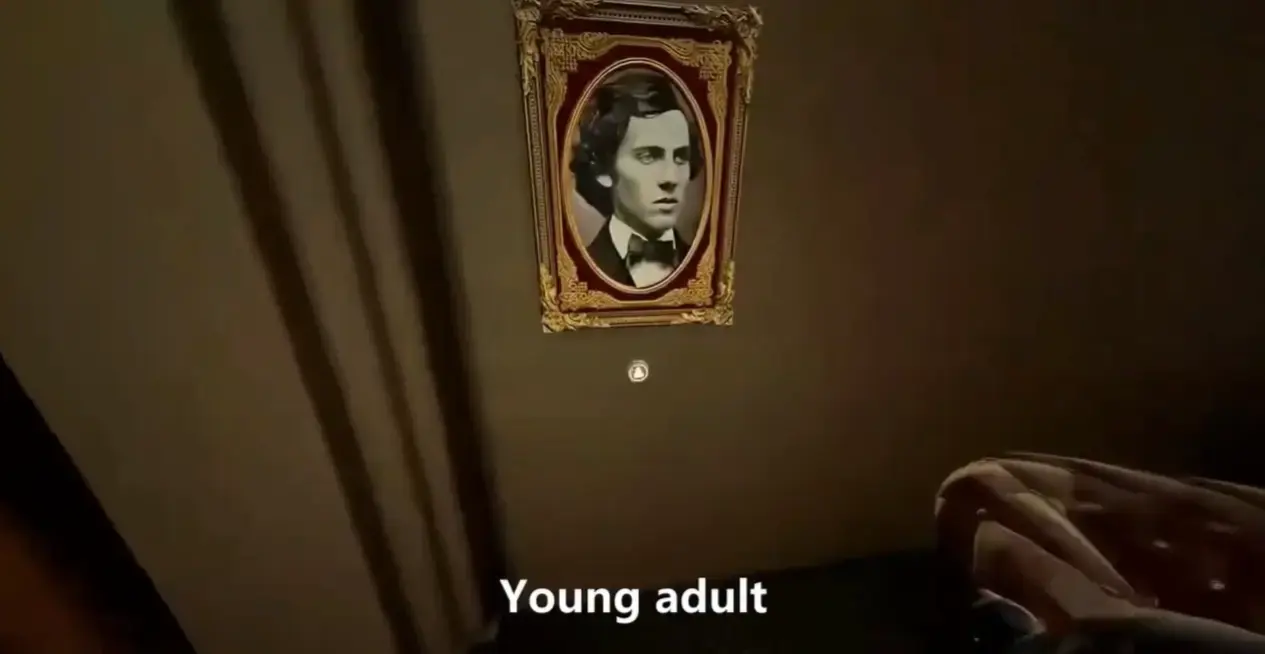
The Terror Hotel is a map of fallback rooms
Paper collection can make the Hotel look like a checklist of room numbers. Treat it instead as a chain of small safe decisions. Before opening the next required room, note whether the route gives you a door to close, a bed, a closet, and a way back to the mailbox side.
That information matters more than a perfect room-search speed. A player who knows the closest recovery room can keep the search contained; a player who runs down an unfamiliar hallway has turned one entity sighting into a group-wide route reset.
The Terror Hotel paper route is therefore best read as a search order plus a recovery-room map, rather than a bare list of paper numbers.
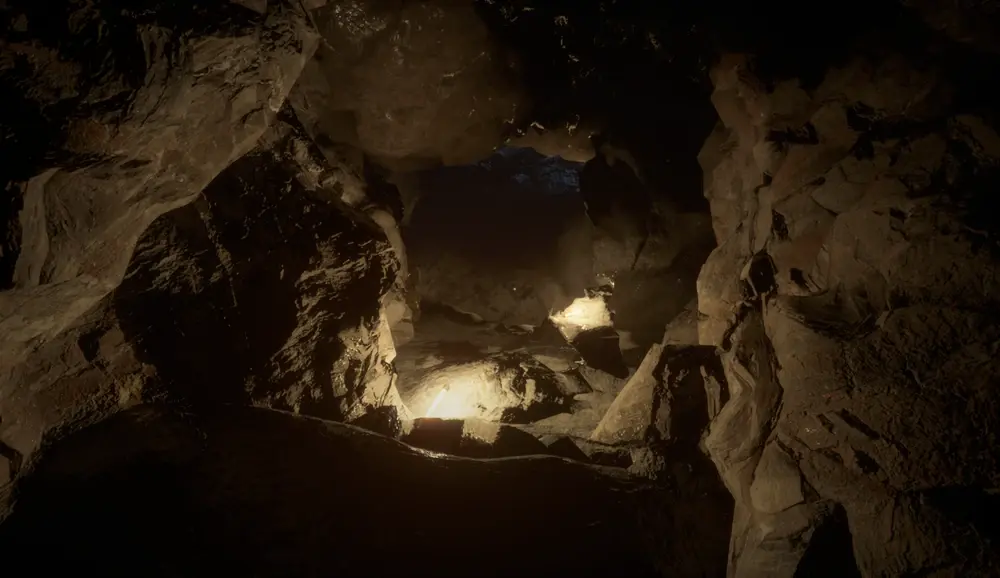
In the caves, a light is information—not an invitation
The Cave System makes the usual “run until you lose it” instinct unreliable. Terrain hides exits, long tunnels commit the player forward, and a distant light can be either a warning or a reason to walk into a worse angle. Keep one route behind you that you can actually describe.
For co-op, flashlight discipline adds clarity. A teammate should be able to state where they are before the group moves to a glow. If they cannot, treat the light as a threat cue and regroup at known space rather than sending every player deeper into the same tunnel.
The Cave System route identifies the stable route landmarks that make a retreat possible without treating every distant light as a destination.
The moment a silhouette stops being safe
Verify the player, then escape through a door or a level-specific hiding option instead of trying to outrun a chase forever.
Signe distinctif
A moving white eye-light, a voice coming from an unknown direction, or a “teammate” who runs directly at you without answering a check-in should end the conversation.
Réaction immédiate
Back away while keeping a door between you and it. Close the door once you pass through; do not stand at the handle trying to negotiate with something that is already charging.
Réinitialiser la rencontre
Doors are the most dependable reset. In the Hotel, beds and closets give you a recovery option; in the Cave System, avoid treating a long run as a plan because its speed changes the trade-off.
Verify first, regroup second
Use a simple reunion rule after anyone is out of sight: state your room or landmark, then show the agreed item or ID. A real teammate can do that; a pursuer cannot.
Ce qui fait échouer une partie : Waiting for perfect proof. The safer play is to assume an unverified silhouette is dangerous, make distance, and confirm only after a closed door separates you.
Turn doors and rooms into escape tools
Back away while keeping a door between you and it. Close the door once you pass through; do not stand at the handle trying to negotiate with something that is already charging.
How to search without feeding the disguise
Utilisez ces points comme un court rappel. Ils décrivent les décisions à prendre avant, pendant et après la rencontre, pas un script rigide.
Level 1: trust the protocol, not the outline
Solo : Corners and doorways are information points. Slow down at them long enough to see whether a white eye-light or movement is waiting on the other side.
Coop : Use a reunion location, then make the quick check before joining up. If a figure ignores the group’s agreed call or rushes straight in, back through the nearest door instead of trying to prove what it is.
Level 5: rooms are resources
Solo : While collecting papers, remember which nearby rooms have a bed, closet, or door you can close. That turns the Hotel from a random search into a chain of fallback positions.
Coop : Assign paper rooms by area and call a retreat room with each assignment. The group does not need to stack in one bedroom; it needs to know which rooms still offer a safe reset.
Level 8: speed changes the answer
Solo : A long cave corridor is not a safe straightaway. Use the route you can reverse toward the start, the exit side, or a known door instead of committing deeper because the path looks open.
Coop : Keep flashlight discipline. An unexplained light or a player who cannot give a location is a reason to pause the advance; teammates should never funnel blindly toward the same glow.
Why appearance is the wrong test
Verify the player, then escape through a door or a level-specific hiding option instead of trying to outrun a chase forever.
Verification beats recognition
A Skin-Stealer is designed to make visual recognition unreliable. Do not spend time studying the silhouette. The reliable test is behaviour: can it follow the team’s agreed check-in, identify the same landmark, and approach without charging? If not, make distance first.
Doors turn panic into a route
Closing a door behind you is not a last-second trick; it is a route decision. While searching, notice the doors that can divide a hallway from a room. A player who has already chosen that door can escape cleanly instead of gambling on a tight interaction.
Do not treat every level the same
The Hotel rewards room awareness because beds, closets, and doors can reset pressure. The Cave System punishes blind running because speed and terrain reduce that margin. Use the same recognition rule, but choose the escape tool the current level gives you.
Levels where verification changes the plan
Escape the Backrooms : Niveau 1
Skin-Stealers appear on the upper floors, where split searches make a human-shaped silhouette easy to trust too quickly.
Meilleure réponse : Use the agreed ID check, keep distance, and close a hiding door if the figure ignores the call or rushes the group.
Ouvrir le guide du niveau →Rencontre 02Escape the Backrooms : Niveau 5
A Skin-Stealer patrols while the group searches rooms for papers; after enough time it can continue tracking a hiding player until it sees them.
Meilleure réponse : Mark the nearest bed, closet, and closable door before searching. Do not lead the chase through every room needed for the paper route.
Ouvrir le guide du niveau →Rencontre 03Escape the Backrooms : Niveau 8 (Cave System)
The cave variant is faster than the player and carries a flashlight that can reveal its approach around dark turns.
Meilleure réponse : Treat an unknown light as a warning. Backtrack toward the start or transporter valve and close the route behind you when possible.
Ouvrir le guide du niveau →Rencontre 04Escape the Backrooms Level 55.1 Guide : fin normale et fin secrète « Wrong Door » !
A slow Skin-Stealer is one of the lower photography targets.
Meilleure réponse : Create enough space for the required photograph, then step into a nearby locker instead of trying to compose another shot.
Ouvrir le guide du niveau →Before trusting the next voice or light
- Did the team have a reunion rule before splitting?
- Was a door or hiding room identified before the chase, rather than after it?
- Did everyone resume from a confirmed landmark instead of following an unverified voice or light?
Skin-Stealer questions players need answered
Des réponses rapides lorsque une règle générale doit devenir une action précise.
Can the Skin-Stealer open doors?+
A closed door is a key part of the escape plan. Do not spam the interaction in panic; pass through once, close it, then move away from the threshold so the group does not stack on the same handle.
How should we check a teammate in co-op?+
Agree on a brief rule before the split: name the room or landmark and show the agreed item or ID. Do it at a reunion point, not while a figure is already sprinting at you. If the check fails, retreat through a door.
What changes in the Terror Hotel?+
Paper rooms should be searched with a fallback in mind. Before entering, notice the bed, closet, and door. Those room features are more valuable than shaving a few seconds off the search when the entity appears.
Why is Level 8 so unforgiving?+
The cave removes the comfort of a simple straight retreat and the Skin-Stealer can close distance more effectively there. Keep a reversible route in mind, avoid following a distant light blindly, and use known start or exit-side space rather than unknown tunnels.